
Why isolation still matters and when you should call for it
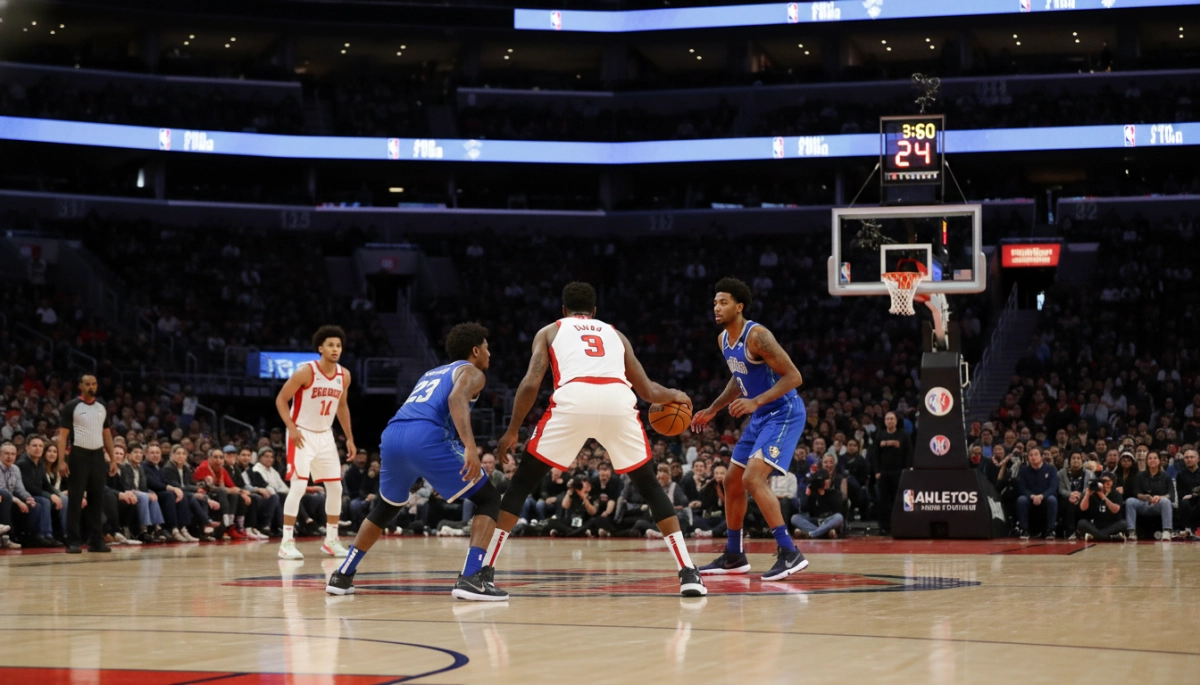
You see isolation plays often in the NBA because they simplify the read: one ball-handler against one defender. When you isolate, you force a defender to choose between stopping your advantage or giving help that opens a different scoring opportunity. As a player, understanding when isolation gives you the best chance to score or generate a quality shot is crucial to efficient offense.
Isolation is not just about ego or hero ball. You should call for it when you have a clear mismatch (speed, size, ball-handling, or height), when the defense is late to rotate, or when the shot clock forces a simple decision. Good teams use isolation selectively to punish defensive breakdowns, exploit personnel mismatches, or create spacing for a teammate to cut into the lane.
How isolation creates mismatches and spacing advantages
When you initiate an isolation, the court clears space so you can attack downhill, use a screen without congestion, or post up a smaller defender. Because defenders can’t all sag without leaving shooters open, isolations place pressure on the defense to choose: stop the ball or cover the perimeter.
- Exploit switches: If the defense switches a pick and roll and you end up on a smaller defender, you can drive, post up, or shoot over them.
- Create help dilemmas: Driving baseline or forcing the defense to rotate can lead to kick-outs for open threes or layups from cutters.
- Test individual weaknesses: You can probe a defender’s footwork, lateral quickness, or propensity to reach and draw fouls.
- Control tempo: Isolation reduces chaos, letting you manage the clock and pick the optimal moment to attack.
Making smarter shot decisions when you have the ball
Isolation success isn’t just about winning the one-on-one; it’s about converting that advantage into a high-value shot. You should prioritize shots by expected efficiency: paints and rim attempts first, then pull-up midrange only when the defender respects your drive, and catch-and-shoot triples if defenders sag.
- Read the defender’s balance: If they’re off-balance or behind you, a quick turnaround or spin move to the rim is preferable. If they’re under control, use step-backs or floaters.
- Use spacing and pace: Beat a closeout to the corner for a teammate’s three rather than forcing a contested midrange attempt.
- Manage shot clock: Early isolations can probe the defense; late-clock isolations require quicker, cleaner decisions—aim for the highest-percentage look available.
- Track efficiency: Pay attention to metrics like points per isolation and your shooting splits from different isolation spots to inform future reads.
These principles set the foundation for how you create and capitalize on isolation mismatches; next, you’ll learn specific reads, moves, and in-game adjustments to turn those one-on-one opportunities into consistent scoring or clean assists.
Reads and counters: move selection for common defensive tactics
When you’re isolated, the first read is always the defender’s starting position and reaction. Match your move to that micro read—one wrong choice and a high-percentage look turns into a contested chuck. Use these quick decision rules:
– Defender off-balance or lunging: attack the rim immediately with a quick gather and a low-crossover or spin. Keep the dribble low and use your inside shoulder to create separation; finish with a power layup or contact-heavy shot to draw fouls.
– Defender playing tight and square: use a short, explosive step-back or a timed hesitation into a floater. The step-back creates space for a clean midrange or three; the floater beats taller defenders who overcommit to the rim.
– Defender shading under screens or sagging: punish them with pull-up threes or catch-and-shoot kick-outs. If they’re over-helping, use a dribble-into-corner move to open the opposite wing for kick-out threes.
– Defender reaching or gambling: throw in a quick pump-fake and drive through the gap. A controlled spin or between-the-legs change of direction neutralizes the reach and often yields free throws.
– Switch-heavy coverage: if you’ve been switched onto a smaller defender, use numbers and leverage—post has become a weapon. Seal, short-roll, and use up-and-under counters or power dribbles toward the elbow for fade or jumper.
– Aggressive hedging or blitzing on screens: read the second defender. If the hedge is late or soft, split the defenders with a jab and burst. If they aggressively trap, hit the roll man or kick out to the weak-side shooter before the defense recovers.
Footwork keys: gather with two quick steps, keep your pivot foot ready, and use a short inside step to create contact and finish. Vary dribble height—low for driving lanes, higher and slower to sell pick-and-roll changes. Practice these counters until the options become instinctive based on the defender’s first move.
Teammate actions and timing: turning isolations into clean assists
Isolation doesn’t mean solo; the right off-ball actions amplify your advantage and turn forced defenders into easy assists.
– Spacing and verticality: teammates should stay balanced—one strong rim-runner, one corner shooter, and two high wings maintain passing lanes and punish overhelp. Rim-runners must time their cuts to the ball-handler’s first drive step: early enough to beat the rotation, late enough to avoid a pre-emptive switch.
– Delayed cuts and flare options: when a defender sags to stop the drive, a delayed flare or backdoor cut will open. The ball-handler selling the drive by two hard dribbles then looking off the cutter creates clean pocket passes.
– Screening for shooters: simple down-screens or pin-downs on the weak side turn attention away from the iso and often produce open triples when the defense helps. Use stagger screens when the defense shows a help-heavy look.
– Communication cues: a subtle eye-line or a tap on the shoulder signals a planned cut. The passer’s head fake and body position tell teammates whether a kick-out is coming; learn to read those cues in live reps.
– Passing choices: prefer pocket passes and skip passes over risky cross-court dribbles. Lob passes to the rim-runner on short-rolls are high-value but require timing—delay the lob until the defender commits.
When the extra movement becomes automatic, your isolations will consistently lead to either a high-percentage finish or a wide-open teammate look.
On-the-fly adjustments and mid-game scouting
Isolation plans must evolve across a game. Track what the defense gives you and tweak accordingly.
– Monitor tendencies: note whether defenders over-help, switch, or play physical. If a particular defender gets into foul trouble or tires, increase attacking frequency.
– Shift attack type: if your pull-up is well-contested, attack the rim more to force rotation; if drives are being packed off, hunt catch-and-shoot opportunities.
– Countering defensive changes: when opponents switch everything, add quick ball-screens and slip actions to free shooters. If they blitz traps, instruct cutters to occupy the weak-side glass for put-backs and quick resets.
– Use small-staffed scouting: coaches should feed one-line adjustments—“iso left, rim-run” or “iso and kick—to reduce decision load on the ball-handler late clock.
– Know your metrics: track points per isolation, turnover rate, and free-throw attempts. If PPP dips or turnovers rise for several possessions, reset to a motion set and reframe future iso calls.
The best isolations are adaptive: read, exploit, and, when the defense adapts, change the weapon. Practice these reads and in-game tweaks so isolation becomes a tool that amplifies your offense, not a default.
Practice checklist: reps and reps that translate
- 1v1 closeout drills — practice finishing and pull-ups against a quick contest.
- Controlled contact finishing — attack the rim with varied finishes to draw fouls and survive contact.
- Step-back and floater timing — develop a reliable separation move and a consistent floater against length.
- Kick-out reads — simulate help rotations so you learn when to pass to the corner or hit the roller.
- Switch advantage work — practice posting up smaller defenders and using leverage for short jumpers.
- Shot-clock scenarios — rehearse early- and late-clock isolations to speed decisions under pressure.
- Film and metrics session — review points per isolation, shot locations, and turnover triggers to refine choices.
Sharpening the tool: using isolation with intent
Isolation is a tool, not a habit. Use what you learn in practice and from film to make isolation calls deliberate—timed to matchups, game flow, and your teammates’ spacing. Trust the reads that produce consistent results, but stay willing to adjust when the defense changes. Track the outcomes, keep drills specific to the reads you face most, and communicate clear cues so iso possessions become predictable for your teammates.
For more context on how teams deploy isolation within modern offenses and the analytics behind it, see NBA isolation play type stats. Apply the principles here, keep the decision-making simple, and let isolation amplify — not replace — good team offense.