
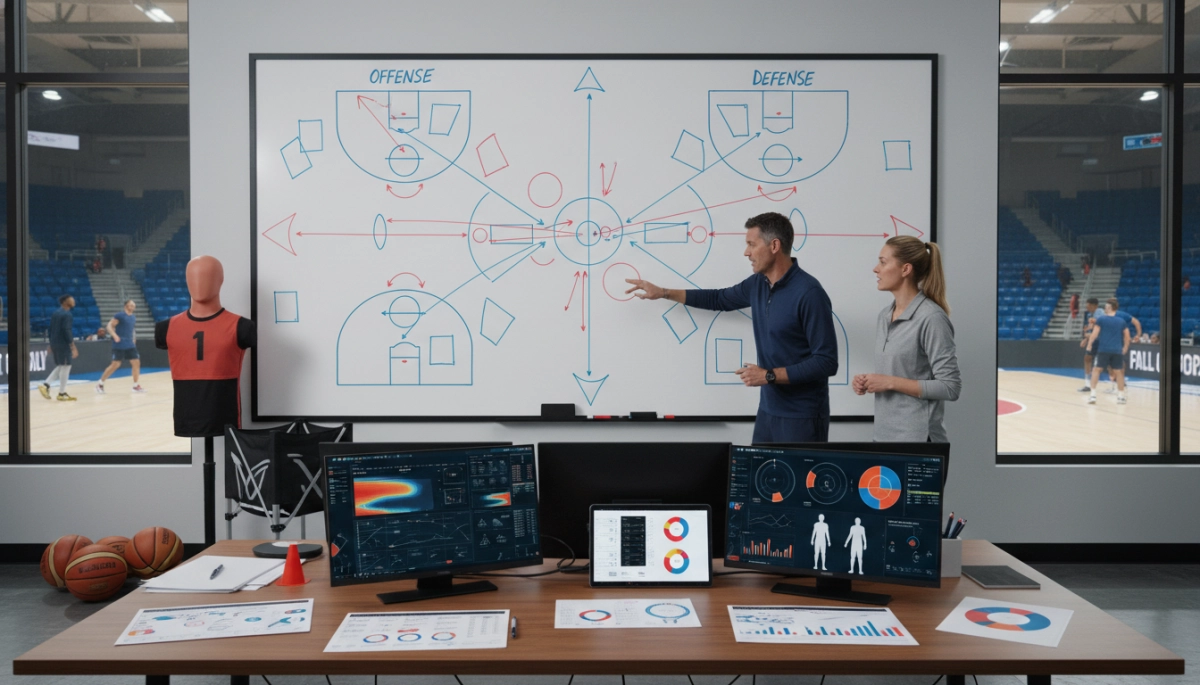
How ABA-style Basketball Changes Your Approach to Offense and Defense
When you study ABA basketball, you’re looking at a league tradition that rewards pace, creativity, and high scoring. As a coach, scout, or player, you must adjust basic principles to the ABA’s emphasis on quick possessions, frequent three-point attempts, and imaginative playmaking. That means adapting set plays, rotation patterns, and scouting reports so they fit a faster tempo and a wider range of offensive looks than a typical NBA game.
Core offensive principles to prioritize in ABA play
In ABA environments, offense often wins the day because possessions are short and individual scoring bursts matter. You should focus on a few interlocking priorities:
- Pace and transition efficiency: Push the ball after defensive rebounds and turnovers. Practice early offense reads that create layups or open threes before the defense sets.
- Spacing for quick-trigger shooting: Use staggered screens and spread sets to give shooters room. Emphasize catch-and-shoot and drive-and-kick sequences.
- Ball movement and reads: Prioritize two-pass actions and dribble handoffs that lead to immediate scoring options. Teach players to read closeouts quickly and exploit mismatches.
- Pick-and-roll diversity: Run both standard and slip pick-and-rolls with variations — down screens, double-screens, and quick horns actions — to create chaos against less disciplined defensive schemes.
- Role clarity: Define primary scorers, secondary playmakers, and floor-spacing bigs. In ABA settings, hybrid players who can shoot and handle the ball are especially valuable.
Defensive foundations tailored for a high-octane league
Defending in the ABA forces you to balance aggression with discipline. Because possessions are rapid and shooters abundant, your defensive model should be flexible and situational:
- Switching vs. matchups: Decide when to switch screens and when to fight through them. Frequent switching can neutralize quick actions but exposes smaller defenders to post-ups.
- Selective pressure: Use targeted full-court or half-court presses to force turnovers without burning your players’ stamina.
- Closeout technique and recovery: Train defenders to close out under control to prevent giving up corner threes while maintaining help-side recovery.
- Rebounding and end-of-possession contests: Prioritize boxing out because extra shots multiply rapidly in fast games.
- Situational zone sets: Deploy compact zone shells on late-game possessions or against teams that overvalue isolation plays.
Early scouting and coaching moves that set you up for success
Good ABA scouting focuses on tempo tendencies, three-point efficiency, and individual creation skill. Prepare simple scouting templates so you can relay opponent habits to players before tip-off. As a coach, design quick in-game adjustments: early timeouts to stem runs, simplified set calls to reduce turnovers, and role reminders for bench players thrust into scoring roles.
Next, you’ll break down specific drills, play designs, and analytics you can use to implement these offensive and defensive ideas in practices and game plans.
Practice drills to instill ABA offensive instincts
Drills should mirror the speed and decision-making demands of ABA play—short possessions, immediate reads, and frequent three-point opportunities. Design practice reps that prioritize quick recognition and execution over long, static sets.
- Early-Exit 3-on-2 to 2-on-1: Start with a defensive rebound and immediately outlet to two wings. Attackers sprint in a 3-on-2 advantage that converts into a 2-on-1 transition if the defense gets back. Coaching cues: emphasize the break outlet, secondary rim-attack, and then the read-and-throw to the trailer for open threes.
- Two-Pass Quick-Trigger Drill: Set five players around the arc. On coach signal, ball moves with a two-pass maximum, and the shooter must come off a screen or dribble handoff for an immediate catch-and-shoot. Add a defender closing out to pressure timing. Focus on alignment, footwork, and catch timing.
- Pick-and-Roll Reaction Series: Pair guards and bigs—run standard, slip, and down-screen variants in rapid succession with live defense. After each rep, have the screener immediately relocate to space for a corner three or offensive rebound. Emphasize quick reads (hedge, go under, hard show) and the guard’s counters.
- Closeout/Recovery Shell (Tempo Version): Use a three-quarter court shell where defenders must close out, contest, and recover within two seconds to simulate ABA pace. Rotate help defenders into immediate contests on kick-outs. Track recovery times and reward under-2-second sequences.
- Rebounding Sprint-Outs: After every shot during scrimmage, designate two seconds to secure the rebound—coach blows whistle and offense sprints outlet. This conditions box-out discipline and enables quick transition push.
Play designs and quick sets built for scoring in under eight seconds
Design plays that create immediate, high-value looks. In ABA games, the goal is to generate a catch-and-shoot three or a layup before the defense organizes.
- Horns Quick-Trigger: Two bigs at the elbows, guard dribbles into one-side pick-and-roll. If defense drops, guard kicks to corner shooter who comes off rapid stagger. If defense fights through, slip the second screener for a lay-in.
- Staggered Sprint-Back Corner: Stagger on the wing with the shooter sprinting back to the corner after a pin screen. This forces switches and creates either an open corner three or a driving lane for the cutter.
- Baseline Drag: Guard drags off the baseline screen into the lane with a rim-running big occupying rim protection. The drag creates natural mismatches and late closeouts, ideal for kick-out threes or floaters.
- Secondary Break Bell: On offensive rebound, immediate reset into a two-pass action to a trailing wing. This keeps pace up and leverages extra possessions for quick threes.
Analytics and in-game adjustment cues specific to ABA play
Analytics in ABA should be lean and action-oriented—track what changes possessions quickly and correlates with scoring spikes.
- Track early-offense PPP: Points per possession on first 7–8 seconds. If early PPP is high, call more transition sets; if low, slow tempo and insert set-piece ball handlers.
- 3P Frequency & Efficiency: Monitor three-point attempt rate and effective field goal percentage from each player/spot. If corner 3% drops below threshold, rotate in a higher-percentage spacing big or run more mid-range quick-scores.
- Offensive Rebound Rate: In a fast league, extra chances compound. If your OR% is beating opponents’, push for more offensive rebounders; if not, prioritize quick outlet and sprint offense.
- Turnover Type Log: Separate shot-clock turnovers from perimeter ball-handling turnovers. High early-shot-clock TOs means simplify initial actions; high perimeter TOs means protect ball handlers with slip actions and clearer spacing.
- Substitution and Fatigue Windows: Map performance dips to minutes played. In ABA’s relentless pace, shorter, sharper rotations preserve defensive closeout intensity and transition defense effectiveness.
Putting ABA Tactics Into Practice
Short implementation checklist
Turn ideas into routines with targeted, measurable steps you can apply immediately.
- Week 1 — Tempo & Shooting: Install early-exit transition reps and two-pass quick-trigger sequences; track early-offense PPP each scrimmage.
- Week 2 — Pick-and-Roll & Spacing: Run the pick-and-roll reaction series daily and add staggered sprint-back corner actions; evaluate corner 3% by player and spot.
- Week 3 — Defensive Conditioning: Introduce the closeout/recovery shell and selective press packages; monitor recovery times and defensive rebounding rates.
- Ongoing — Scouting & Substitution: Keep a one-page scouting template that highlights tempo tendencies, primary shooters, and rotation fatigue windows; adjust rotations when performance drops by defined minute thresholds.
- Game-Day Routine: Pre-tip reminders (roles, simple first-actions), early-timeout plan, and a short halftime analytics check (early-offense PPP, 3P efficiency, turnover types).
Final Thoughts for ABA Coaches and Scouts
Adopting an ABA mindset is less about copying one style and more about committing to a rhythm of experimentation, measurement, and quick correction. Prioritize high-value reps in practice, keep scouting intel concise, and make substitutions that protect energy without sacrificing pace. Stay curious: test new quick sets, monitor the metrics that matter, and let game flow inform your lineup choices. For league resources, scheduling, and community examples that can help accelerate implementation, visit the ABA official site.