
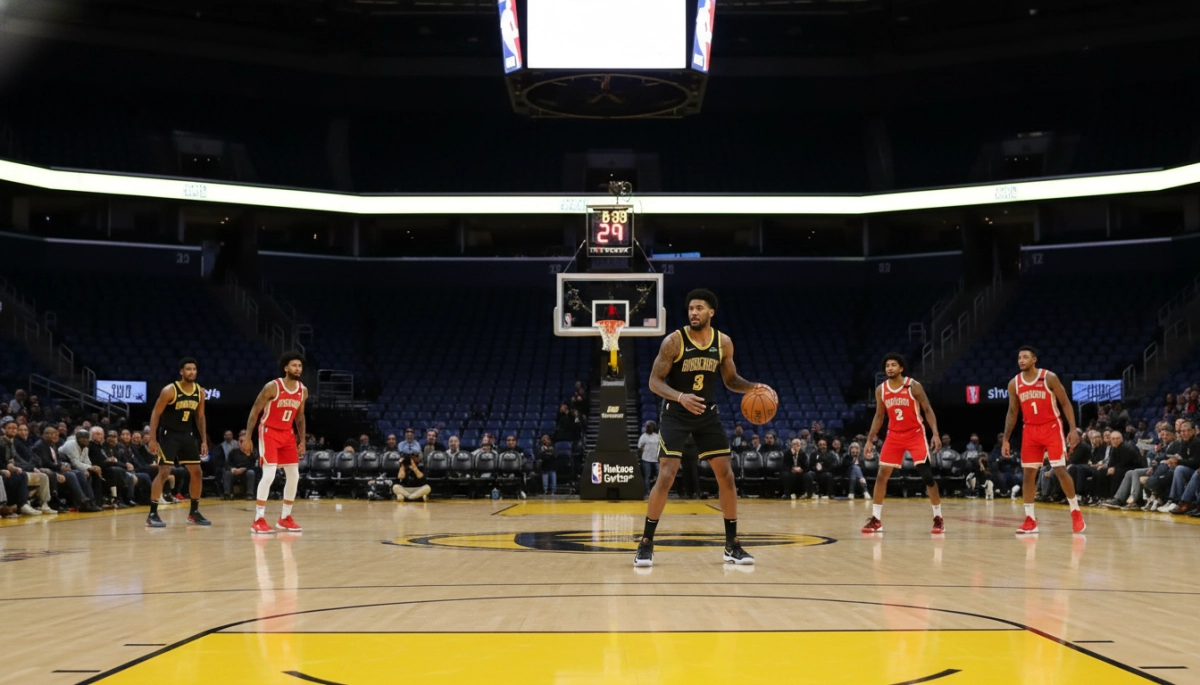
Why isolation still belongs in your NBA toolkit
You’ve watched the analytics-driven shift to ball movement and pick-and-rolls, but isolation (iso) remains a valuable tool when used selectively. An iso gives a skilled scorer the space and time to attack a single defender, exploit a mismatch, or force help that opens shots for others. When you call iso with the right player, at the right moment, and against the right matchup, you create high-leverage opportunities that complement team offense rather than replace it.
What efficient isolation looks like
An efficient iso isn’t just a one-on-one duel; it’s a coordinated sequence that starts before the ball is in the scorer’s hands. You should expect clear spacing, purposeful off-ball movement, and a plan for the scorer’s first read, second option, and kick-out targets. Efficiency is measured by shot quality, not usage alone—prefer near-rim attempts, pull-up threes from a rhythm spot, or paint touches that draw fouls.
How to recognize the right moments to call an iso
You can’t call iso every possession and maintain offensive flow. Use these practical cues to identify when isolation increases your chance of scoring:
- Mismatches: Your scorer has a size, speed, or switching advantage over the defender—think smaller defenders on bigs or slower defenders on quick guards.
- End-of-clock situations: When the shot clock or game clock forces a clear single-option play, an iso can be the cleanest execution.
- Defensive breakdown: The defense is scrambled after a transition or a poorly executed cover—this is when help rotations are delayed.
- Scorer in rhythm: A player who’s been finishing or shooting well in the game is a higher-probability iso option.
- Mismatch-induced switching: If your set intentionally forces a switch that creates a favorable matchup, attack immediately before the defense recovers.
Pre-iso planning: spacing, personnel, and timing
Before you isolate, set the stage. Space the floor so the defender has no easy help lanes—place shooters in corners and keep baseline lanes clear. Choose teammates who can read the scorer and either cut, screen, or clear out as needed. Time the iso when the defense can’t rotate smoothly: late clock, right after a pick that causes a switch, or when key defenders are in foul trouble and hesitate to commit.
With these recognition cues and pre-iso habits in place, you’ll avoid low-value isolations and create situations where one-on-one advantages translate into points. In the next section you’ll get step-by-step execution techniques—footwork, reads, counters, and teammate actions—that turn those opportunities into efficient possessions.
Iso execution: footwork, reads, and primary moves
Execution begins with the basics: how the scorer receives the ball and what they do in the first two steps. That opening sequence determines whether the defense reacts in time or gets beaten. Train scorers to use consistent, attack-ready footwork—triple threat positioning, a patterned jab or two, and a decisive first step that commits the defender. From there, the most efficient isolations tend to follow a short menu of high-value finishes.
- Footwork checkpoints: square shoulders to the rim, low center of gravity, balanced weight on the balls of the feet. Establish a rhythm jab to probe the defender’s balance and trigger their reaction.
- Primary reads in order: close-out footwork (is the defender retreating on heels?), stance and hand placement (fronting, high hand, low hand), help positioning (is there a weak-side big sitting in the lane?), and rotation speed (do help defenders have to cross-court?).
- Go-to moves: for guards—quick first-step drives, change-of-direction hesitation, and step-back threes from a trained spot; for wings—burst to the elbow, mid-range fade or floaters; for bigs—power dribble attack to the rim, drop-step, or face-up short roll to draw contact.
- Hybrid finishes: combine moves into predictable counters: if the defender overplays the drive, use a pull-up; if they back up, use a shot or a quick jab to get downhill. Train two-way counters (e.g., drive-to-stepback, jab-to-euro) so the scorer always has a high-percentage second option.
Don’t forget the clock: prefer attacking early in the shot clock to force rotations, or late in the clock when the defense must guard the one option. Either way, the first two seconds of the iso should create a clear read—commit the defender, then finish smartly (rim, foul, or a catchable kick-out).
Teammate roles and coordinated secondary actions
An isolation is never truly isolation—team structure around the scorer amplifies its efficiency. Teammates should be given precise, rehearsed roles: who fills the lane, who occupies the corner, who sets a re-screen, and who prepares for the kick-out. Clear responsibilities reduce hesitation and turn an iso into a chain of high-value outcomes.
- Corner shooters: stay ready and squared to catch a kick-out. Their spacing punishes bigs who sag into the paint.
- Baseline runner: a player who drifts along the baseline keeps help defenders honest and creates backdoor opportunities when the defense overplays the ball.
- Screeners/rollers: when used, set solid, hard screens before clearing or slipping. A slipped screen can create an immediate lane or draw the help defender off the corner.
- Weak-side movement: purposeful cuts and staggered screens buy those extra tenths of a second needed for the iso scorer to create or draw help.
- Rebound/read: designate an offensive rebounder to crash hard on drives—many efficient isolations end with second-chance points or free throws after contact.
Practice these small but specific actions until they become subconscious. When teammates execute their roles without telegraphing, the iso player gets cleaner reads and higher-quality shots.
Countering common defensive reactions
Defenses have predictable responses to iso: sagging off, aggressive hard hedges, help-and-recover, or full double-teams. Prepare counters that are simple and repeatable.
- Sagging/soft close: attack the close-out with a burst or shoot an immediate pull-up if the defender gives space.
- Hard hedge or physical Deny: use a re-screen as a counter or change pace to slip the screen and burst to the hoop; for bigs, an inside pivot into contact draws fouls.
- Help-and-recover: use short, accurate kick passes to the flash man or corner shooter; timed backdoors exploit over-helping defenders.
- Double-team: keep heads up—hit the open teammate on the roll or the weak side; train quick pocket passes and catch-and-shoot rhythm for the target players.
Anticipate what defenses will try and script 1–2 counters for every likely reaction. The best isolations look simple because everyone knows exactly what to do when the defense shifts—scorer, screeners, and shooters operating in synchronized lanes create the efficient outcomes you want.
Putting isolation into practice
Isolation is a weapon, not a default. Use it with discipline, coach it with specificity, and rehearse the few reads and counters that will be used in game conditions. The goal is to make isolations predictable for your offense (so teammates know their roles) and unpredictable for the defense (because the scorer has reliable counters).
Practice focus and drills
- Repetition of opening moments: have scorers work on consistent catch-and-go footwork and a one- or two-move menu so their first two steps become instinctive.
- Counter chains: run drills that force defenders into common reactions (sag, hard hedge, double) so scorers learn the right counter without thinking.
- Team choreography: rehearse weak-side movement, corner spotting, and baseline cuts until helpers and shooters hit rhythm passes and catch-and-shoot reads.
- Live reps with constraints: use shot-clock or foul-count constraints in scrimmages to simulate late-clock or advantage-matchup decisions.
- Measure and adjust: track isolation efficiency (points per possession, true shooting, foul rate) and limit isolations to the players and moments that outperform team actions.
Coaches should script isolations sparingly and pair them with clear triggers—mismatch, shot-clock urgency, or roster matchups—so the rest of the offense stays fluid. Players should treat iso reps as decision-making reps: commit to the first read, have a practiced second option, and keep their head up for the pass.
For teams and players who want to dig into the data behind when isolations work best, reference league tracking and situational stats—tools like NBA Stats can help identify which players and lineup combinations create the highest-value iso opportunities.
When isolation is limited to the right moments, coached with clear roles, and practiced until reactions are automatic, it becomes a complementary—and efficient—element of modern offense. Use it intentionally, measure it honestly, and integrate it seamlessly with your team’s movement and spacing. That approach turns one-on-one talent into consistent team advantage.